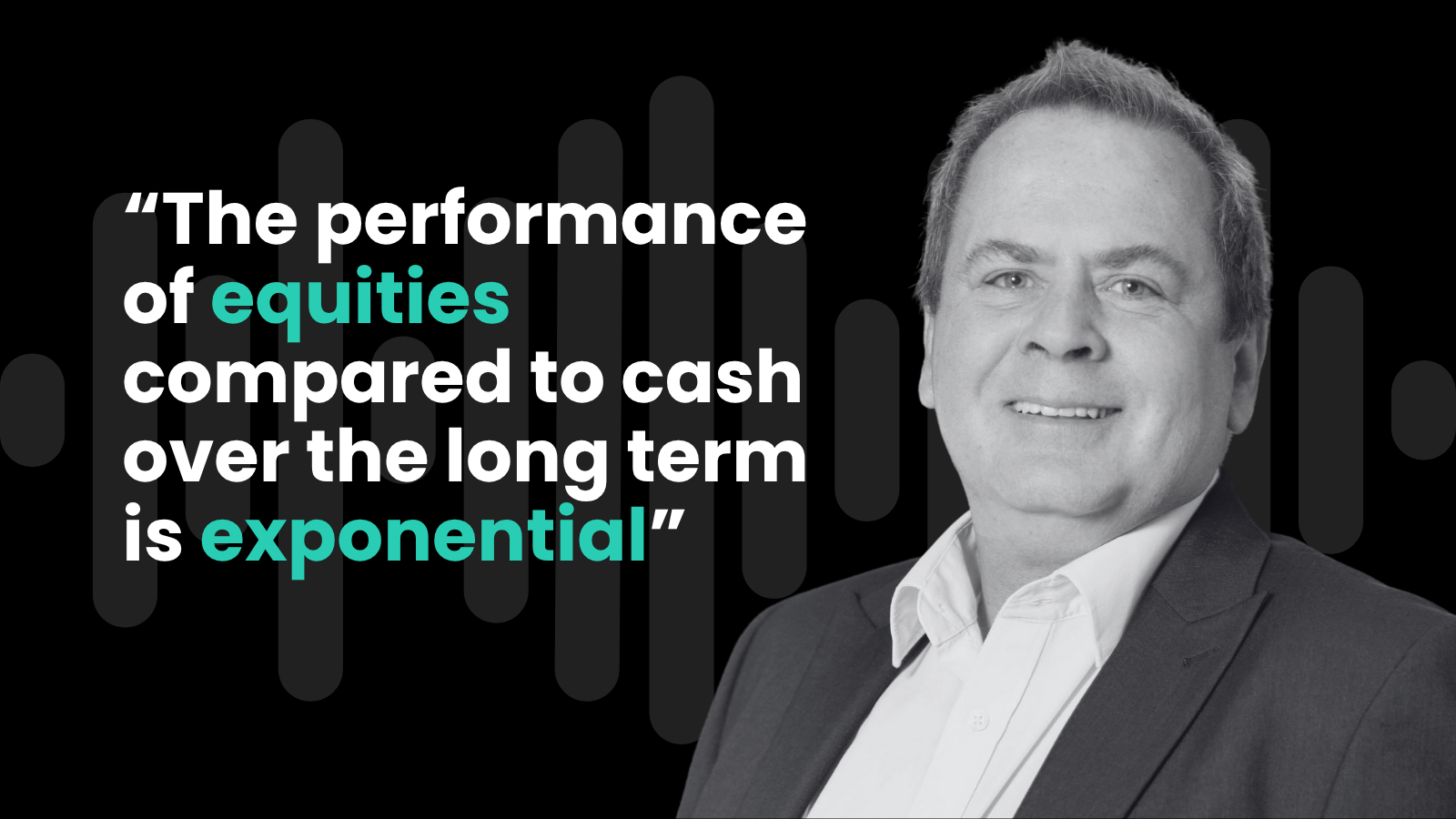
This week’s Investing, Markets & Money podcast focuses on a challenge many early-stage UK investors face: understanding how to begin investing with confidence. Guest Richard Hunter, Head of Markets at Interactive Investor (ii)—winner of “Best Investment Platform” at the Online Money Awards 2025 — joins the show to break down the essentials, from tax-efficient accounts to diversification, funds, ETFs and the power of compounding.
Why Investing Beats Cash Over the Long Term
Many new investors wonder whether they should invest at all, especially when savings accounts offer higher interest than in previous years. Hunter highlights a crucial point: inflation often erodes the real value of cash. Even a savings rate of 3% can’t keep pace with inflation at 4%. Historical data, such as the long-running Barclays Equity Gilt Study, shows that equities have significantly outperformed cash over the last century—although with higher risk, the long-term rewards are typically far greater.
The Best Tax-Efficient Accounts for UK Investors: ISA vs SIPP
For UK investors, using the right investment “wrappers” is essential for maximising returns:
- Stocks and Shares ISA – No tax on capital gains or dividends. Ideal for beginners and the most common starting point.
- Lifetime ISA (LISA) – Designed for first-time home buyers, with bonus contributions from the government.
- Junior ISA – A long-term savings vehicle for children.
- Self-Invested Personal Pension (SIPP) – A powerful retirement tool with government tax relief. Investors can normally begin withdrawals from age 55 (rising over time), with 25% usually tax-free.
These accounts don’t dictate what you invest in—they simply shelter investments from tax.
Should Beginners Buy Shares or Funds?
New investors often ask how to invest their first £100 or £1,000. Hunter notes that most beginners start with funds, not individual shares. Funds offer instant diversification because a single investment can include 30–50 underlying holdings across sectors or geographies. Actively managed funds provide professional stock-picking, while passive investing using ETFs (exchange traded funds) lets investors track major indices cheaply—popular examples include S&P 500 ETFs, FTSE 100 trackers and sector-specific ETFs.
Direct shares often come later, once investors build confidence or have specialist knowledge of a particular industry.
Diversification for Beginners: Avoid Putting All Your Eggs in One Basket
A core theme of the episode is diversification—spreading investments across sectors, regions and asset classes. Concentrating everything in one industry (e.g., engineering) works well until that sector falls out of favour. Even professionals use diversification to manage risk. Hunter also warns against “di-worse-ification,” when investors hold so many funds or stocks that they accidentally overlap or create an unmanageable portfolio.
The Power of Compound Interest Over Time
Compound growth—earning “interest on interest”—is one of the most powerful long-term investing tools. When dividends are reinvested in an ISA or SIPP, compounding accelerates dramatically over 10–20 years, helping investor portfolios grow faster than most people expect.
Hands-Off Options for People Who Don’t Want to Pick Stocks
For investors who prefer a hands-off approach, options include:
- Managed portfolios from wealth managers (though fees are higher)
- Interactive Investor’s tools and education hub, including their new Investment Coach feature for personalised beginner guidance
- Building a simple, low-maintenance ETF portfolio
- Using model portfolios provided by major platforms
Where to Learn More
Visiting www.ii.co.uk for beginner guides, market analysis and investment tools designed to help new investors take their first steps.
Watch: How to Start Investing in the UK
Watch or Listen on:
- YouTube: https://www.youtube.com/@armchairtrader
- Spotify: https://open.spotify.com/show/2vfaIsY…
- Apple Podcasts: https://podcasts.apple.com/gb/podcast…
- Amazon: https://music.amazon.co.uk/podcasts/6…
- SoundCloud: https://soundcloud.com/armchairtrader
Content
00:00 Introduction to Interactive Investors
02:37 Why should people invest?
04:02 Tax-efficient structures
06:05 Do people tend to buy just stocks, just funds or a mix?
08:42 Investing in what you know
09:18 What help do ii provide to new investors?
10:28 Diversifying your investments
12:35 Having to part with winners
13:53 Compounding
14:59 How often to check your portfolio
16:24 Don’t want to make the decisions yourself?
17:33 Find out more about Interactive Investor at ii.co.uk