High Purity Alumina (HPA) is rapidly emerging as one of the most important specialty materials in modern technology. Used in lithium-ion batteries, semiconductors, sapphire glass, data centres and advanced electronics, demand for HPA is growing at an estimated 20% per year as electrification and digital infrastructure expand globally.
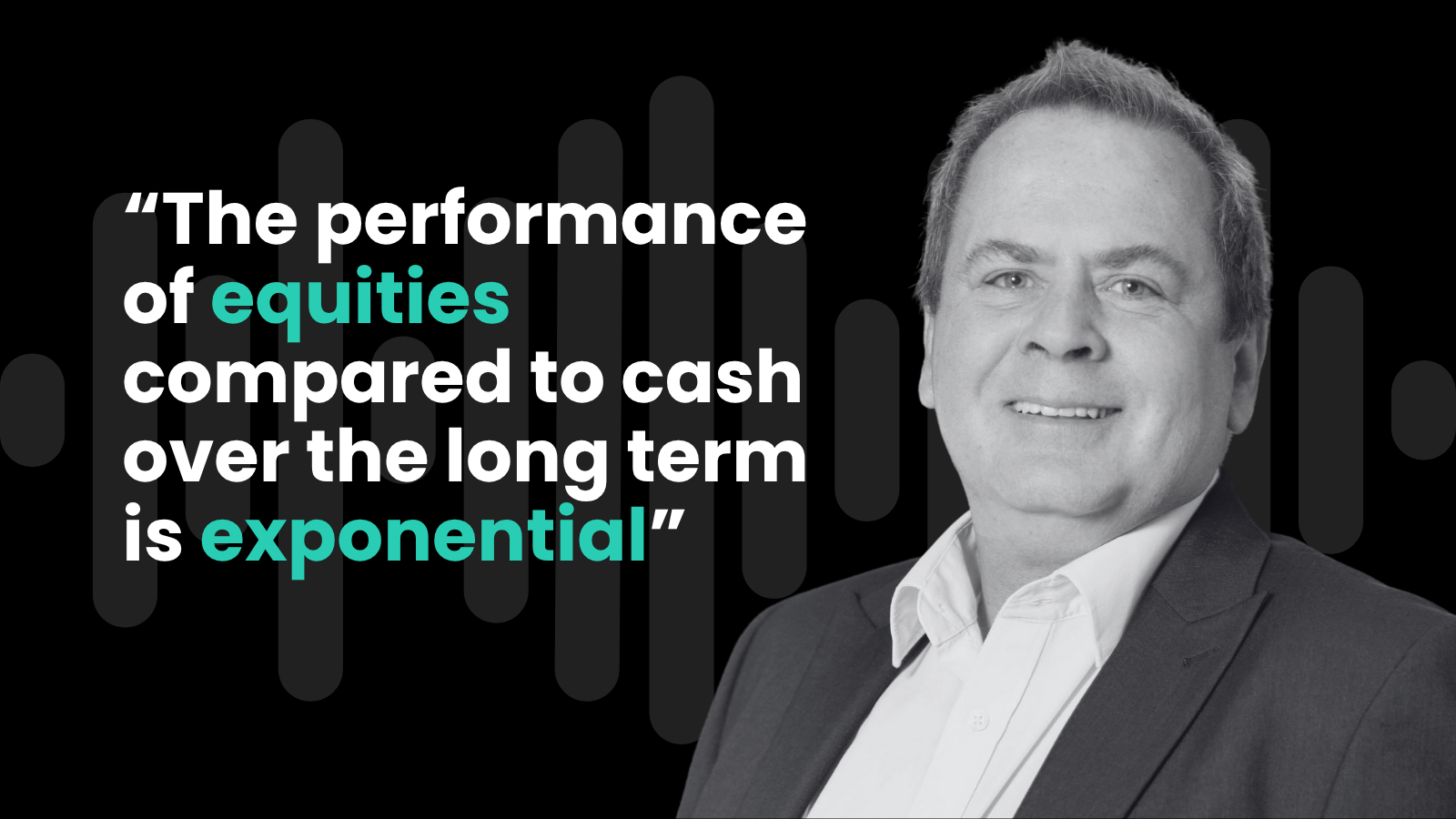
In the latest episode of the Investing, Markets & Money podcast, host Stuart Fieldhouse speaks with Dr Mike Jones, Managing Director of Impact Minerals (ASX: IPT), about how the company is positioning itself to become a low-cost producer in the global High Purity Alumina market.
What is high purity Alumina and why does it matter?
High Purity Alumina is ultra-refined aluminium oxide, typically 99.99% pure or higher. It plays a critical role in the production of artificial sapphire used in smartphone screens, high-end watches and aerospace applications. HPA is also essential for polishing semiconductor wafers, managing thermal dissipation in electronic devices, and acting as a separator material in lithium-ion batteries to reduce heat build-up and improve safety.
As battery storage, electric vehicles, artificial intelligence and data centres scale globally, demand for reliable, high-quality HPA continues to accelerate — making it an increasingly attractive segment for investors seeking exposure to critical minerals and advanced materials.
Impact Minerals and the Lake Hope HPA Project
Impact Minerals is developing the Lake Hope High Purity Alumina project in Western Australia, approximately 500 kilometres east of Perth. Unlike traditional hard-rock mining operations, Lake Hope is a shallow dry salt lake containing aluminium sulphate mineralisation in the top two metres of surface material. This allows for low-cost extraction with minimal environmental footprint and limited infrastructure requirements.
According to Dr Jones, the simplicity of mining combined with proprietary processing technology could enable Impact to become one of the lowest cost HPA producers globally — a major competitive advantage in industrial minerals markets where margins and scalability are critical.
Project economics and development progress
Impact recently completed a prefeasibility study outlining a potential production rate of approximately 10,000 tonnes of HPA per year. The study estimated a post-tax net present value of approximately A$1.2 billion, with capital expenditure around A$250 million. Operating costs were estimated at roughly US$5,800 per tonne, with further reductions possible through valuable potash by-product credits.
The company has also acquired advanced HPA processing technology that could accelerate commercial production by up to two years while significantly reducing capital intensity. Modular plant development may allow Impact to scale production incrementally rather than committing to billion-dollar mega projects — an important consideration for financing and risk management in small cap mining stocks.
The investment opportunity
For investors interested in ASX mining stocks, battery materials, critical minerals and emerging commodity markets, Impact Minerals offers exposure to a niche but rapidly growing segment with strong long-term demand fundamentals. While early-stage mining investments carry risk, the combination of low-cost resource potential, accelerating technology adoption and growing global HPA demand makes the story worth monitoring closely.
Watch: Impact Minerals MD Mike Jones on the $1.2bn high purity Alumina opportunity
Watch or Listen on:
- YouTube: https://www.youtube.com/@armchairtrader
- Spotify: https://open.spotify.com/show/2vfaIsY…
- Apple Podcasts: https://podcasts.apple.com/gb/podcast…
- Amazon: https://music.amazon.co.uk/podcasts/6…
- SoundCloud: https://soundcloud.com/armchairtrader